Engineering Studies
Shaping the Future of Offshore Energy
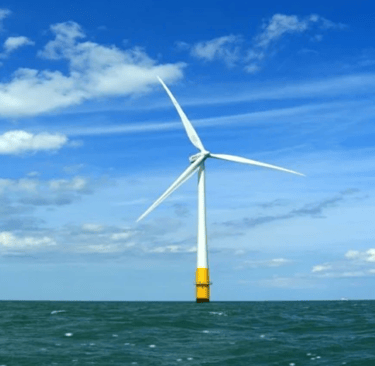
We base our engineering studies on +20 years of experience from global offshore wind projects and our involvement in +50 offshore substation designs.
Our expertise spans from the foundational aspects of bottom-fixed wind installations to the dynamic realm of floating offshore wind, reflecting our adaptability and depth of knowledge.
We support you along the way in the DEVEX phase within concept; pre-FEED and FEED studies e.g. Electrical Transmission Architecture, Techno-Economic Modelling and Technology Assessment, so the best foundation of relevant knowledge can be secured before the final investment decision.
We excel in electrical power studies, ensuring seamless integration and optimisation of AC and DC systems, while our proficiency in HVAC technology positions us as leaders in efficient power transmission. Additionally, our pioneering work in Power-to-X technologies underscores our role in the transition to renewable energy sources, offering innovative solutions for energy conversion and storage


HVDC
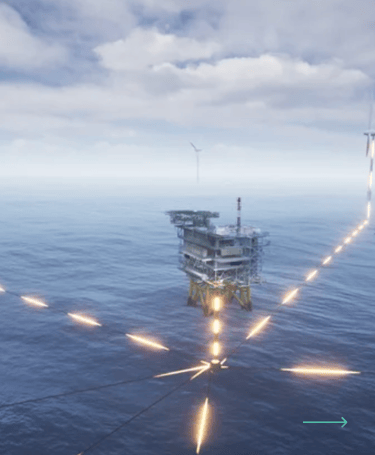
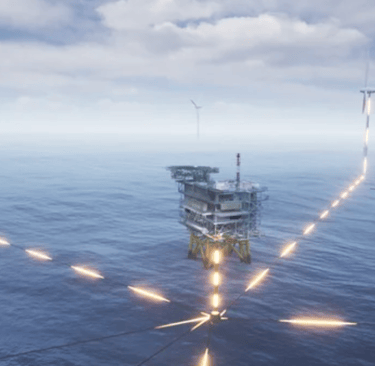
We excel in engineering the transmission of electricity from offshore wind turbines to onshore grids. Through our engineering expertise, we play a pivotal role in guiding the selection process for the most efficient and cost-effective High Voltage Direct Current (HVDC) equipment and fabrication yards.
Design and Engineering:
Clarifying objectives and deliverables through scope definition, developing a timeline and milestones via scheduling, and identifying and mitigating risks with risk management.
Project Planning and Management:
Clarifying objectives and deliverables through scope definition, developing a timeline and milestones via scheduling, and identifying and mitigating risks with risk management.
Installation and Commissioning:
Preparing infrastructure and facilities through site preparation, assembling and integrating components with equipment setup, and verifying performance and safety via testing.
Safety and Risk Management:
Detecting potential safety threats through hazard identification, evaluating and prioritising risks via risk assessment, and educating staff on procedures with training.
Operations and Maintenance:
Tracking performance continuously through system monitoring, conducting regular inspections and upkeep with preventive actions, and promptly troubleshooting and repairing issues for resolutions.
Bottom-Fixed Offshore Wind Projects
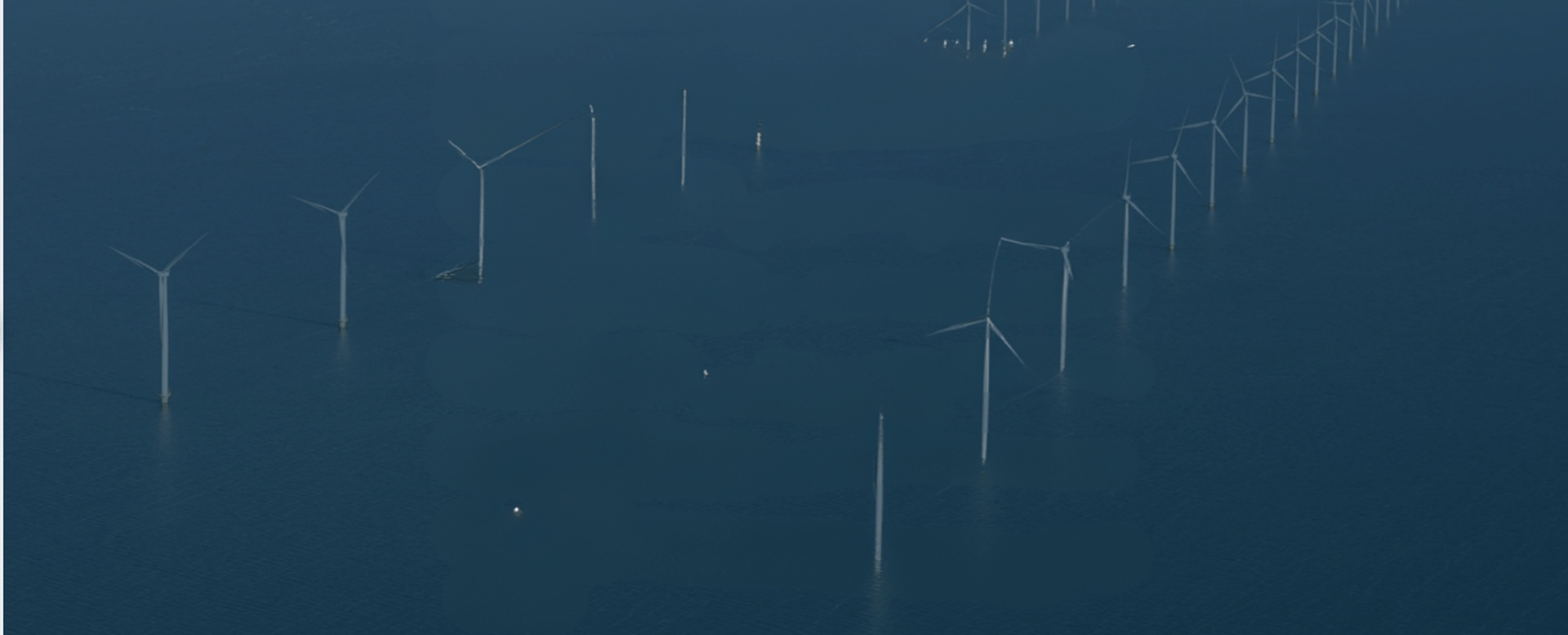
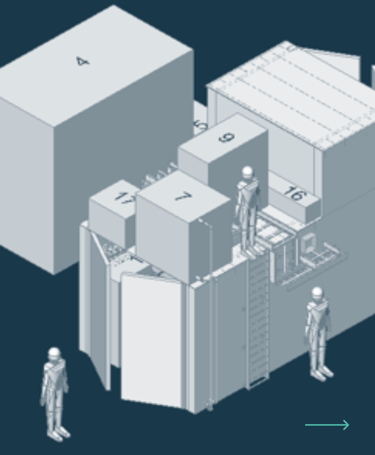
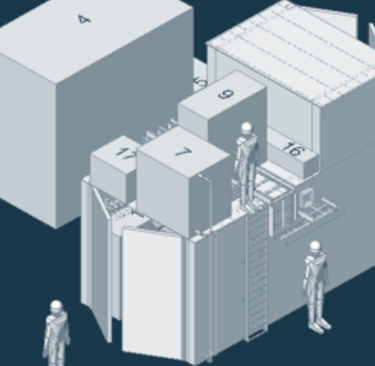
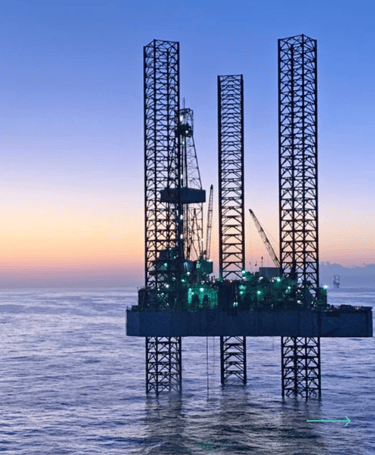
Engineering in bottom-fixed offshore wind projects encompasses all aspects of transmitting electricity from offshore turbines to the onshore grid. This involves designing and optimising electrical systems specific to fixed-bottom installations, such as integrating high-voltage subsea cables, offshore substations, and transformers. The process ensures minimal energy loss and addresses the unique challenges of securing infrastructure to the seabed. Additionally, it requires compliance with environmental and regulatory requirements and the implementation of robust safety measures to maintain system stability and reliability.
Electrical Systems and Integration:
Designing efficient electrical systems for offshore projects, focusing on cabling layout for effective power transmission, substation setup for robust offshore infrastructure, and grid integration for seamless offshore-to-onshore connectivity.
Auxiliary Systems and Infrastructure:
Ensuring safe access through the design of platforms and landings, communication systems to enable remote monitoring, and backup power solutions to ensure operational continuity.
Operation and Maintenance:
Conducting routine inspections to identify wear and tear, scheduling preventive actions for regular maintenance, and implementing condition monitoring to track turbine performance.
Safety and Risk Management:
Detecting potential safety threats through hazard identification, assessing likelihood and impact via risk evaluation, and implementing emergency response plans with safety protocols.
Foundation Engineering:
Evaluating seabed conditions through site assessment, designing structures to withstand environmental forces, and selecting materials to ensure durability and resistance

Power-To-X
Our extensive offshore engineering experience positions us to lead in Power-to-X technology, which converts renewable energy into carriers like hydrogen. By leveraging our expertise in offshore platform engineering, we aim to be a frontrunner in the hydrogen-to-shore sector. Our focus is on designing innovative solutions for the efficient production, storage, and transport of hydrogen from offshore facilities to onshore locations, supporting the transition to sustainable energy systems and reducing carbon emissions.
Design and Engineering:
Designing efficient conversion systems through system architecture, seamlessly combining components with technology integration, and maximising efficiency and viability via process optimisation.
Project Planning and Financials:
Clarifying objectives and deliverables through scope definition, developing a timeline and milestones via scheduling, and identifying and mitigating risks with risk management.
Installation and Commissioning:
Preparing infrastructure and facilities through site preparation, installing equipment precisely with component assembly, and verifying performance standards via system testing.
Safety and Risk Management:
Detecting potential safety threats through hazard identification, assessing likelihood and impact via risk assessment, and implementing emergency response plans with safety protocols.
Operations and Maintenance:
Continuously tracking performance through system monitoring, conducting regular inspections with preventive actions, and promptly troubleshooting and repairing issues for resolution.
Floating Offshore Wind
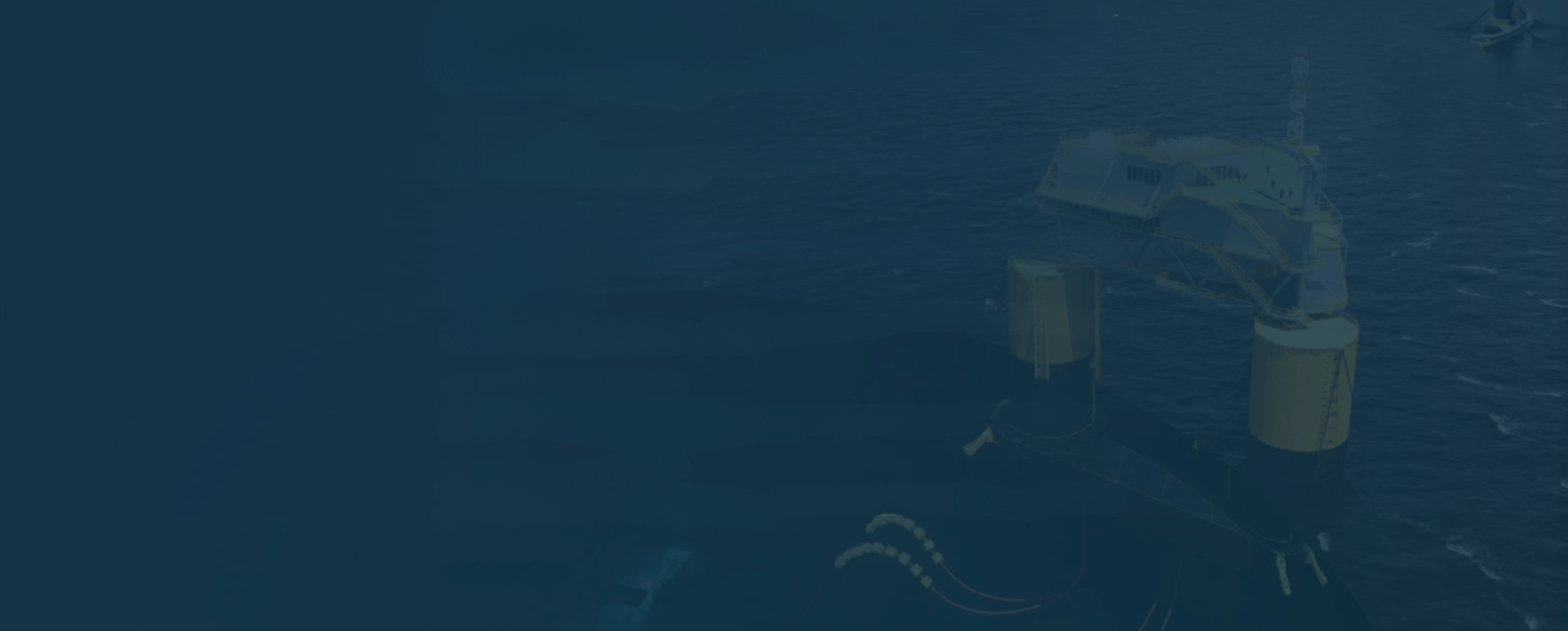
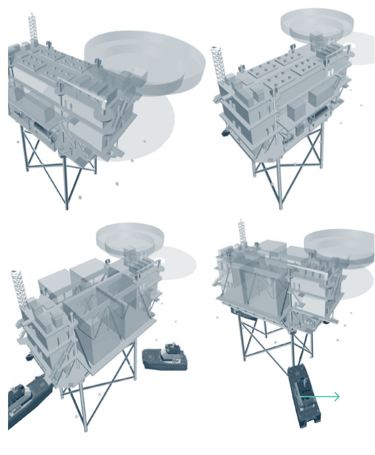
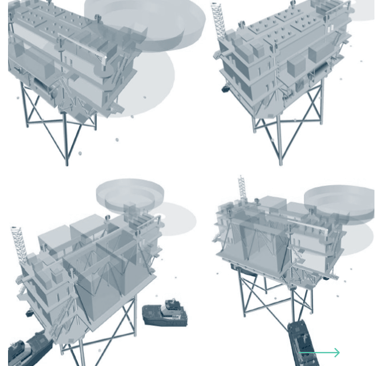
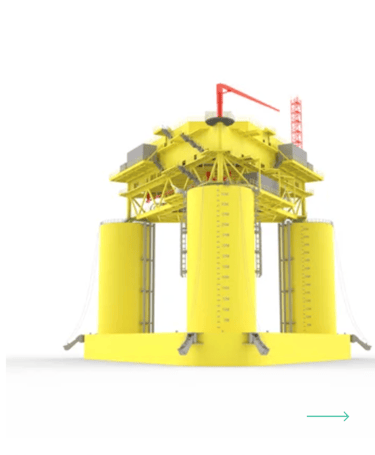
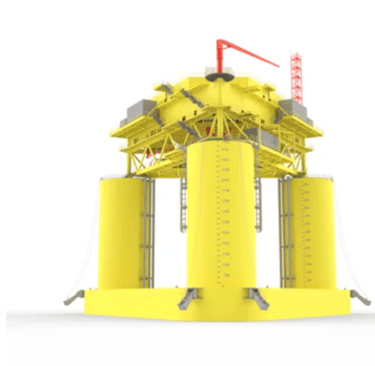
With two decades of experience in offshore wind, we bring a depth of knowledge in naval architecture. Our expertise extends to designing and delivering both fixed-bottom and floating offshore substations. Our floating substation solutions are reliable and cost-effective, enhancing the efficiency and sustainability of offshore wind energy. We offer robust and adaptable solutions that meet the industry's evolving needs, committed to delivering innovative designs that reduce costs and boost reliability for our clients.
Structural Design:
Designing platforms to support turbines and withstand forces, ensuring balance through stability analysis, and securing structures to the seabed with mooring systems.
Electrical Systems Design:
Designing cables for efficient power transmission, managing voltage and reliability through power distribution, and ensuring seamless compatibility with grid integration.
Economic Viability:
Evaluating project expenses through cost analysis, estimating energy production income via revenue forecasting, and assessing profitability and risks with financial modelling.
Mechanical Systems Design:
Maximising efficiency and reliability with turbine components, securing platforms while allowing movement through mooring systems, and assessing stresses and dynamics via dynamic analysis.
Deployment and Installation:
Coordinating component transport through logistics planning, assembling turbines and platforms with assembly operations, and verifying operational readiness via system testing.
See completed projects
Renewaables
20. January 2025
Offshore eCharger application
3. February 2025
Offshore Wind Farm Decommissioning Strategy for German Project
1. August 2024
Concept Study for HVAC Platform Closed Deck vs. Open Deck
4. November 2023
Pre-FEED Floating OSS
11. October 2023
Pre-FEED Electrification Project
2. August 2023
Pre-FEED – Electrical Transmission System
Shortcuts





info@alignoilgas.com
+1 (959) 226-9153